
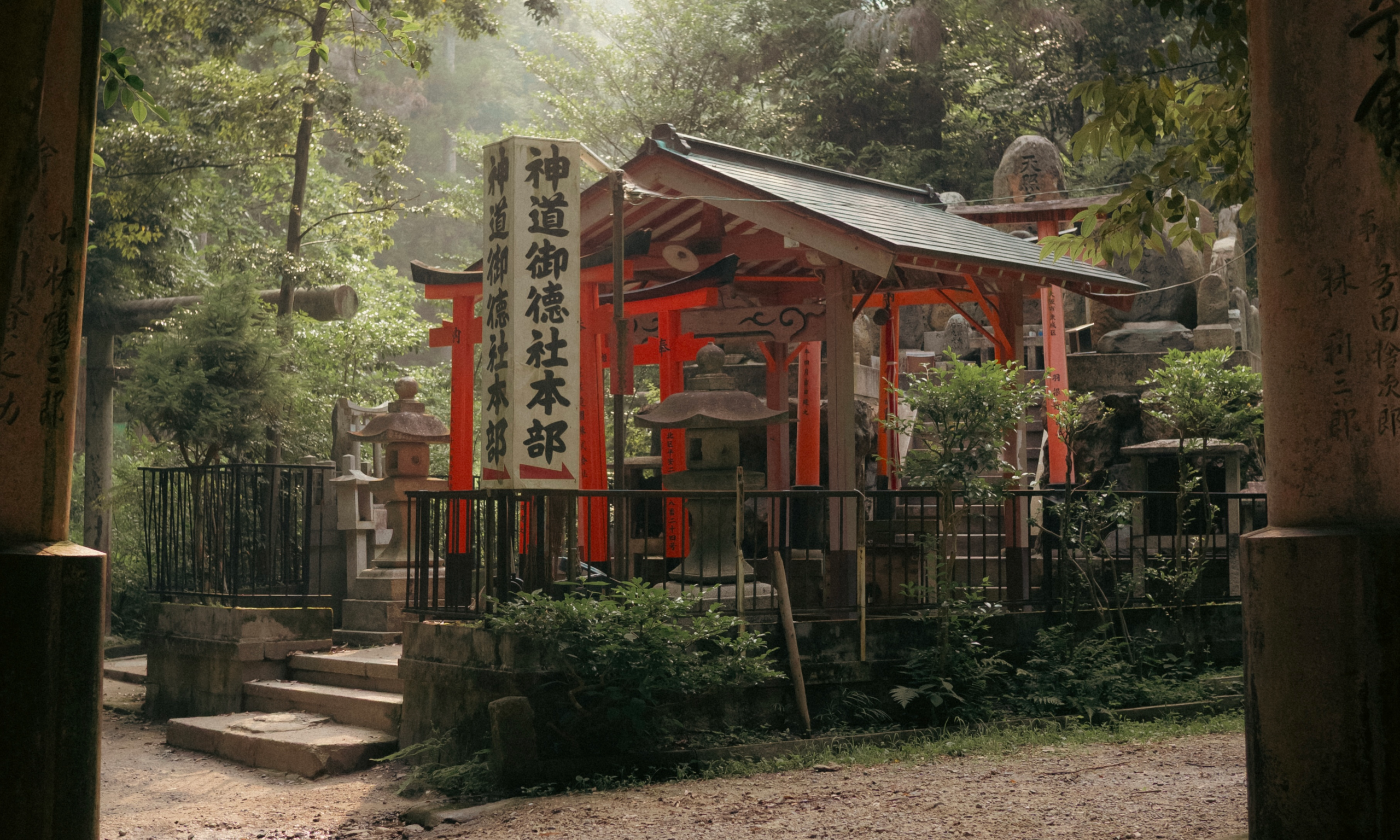
Japan has captivated the modern traveler in recent years.
Everyone has their reasons for wanting to visit Japan; after all, what’s not to love about the Land of the Rising Sun? While there are many reasons to travel to Japan, your personal “why” is the most important first step after deciding where to go. Your reason for traveling will shape how you enjoy the country, whether it’s for culture, technology, history, pop culture, food, or something else. The “why” is what helps craft a meaningful experience while exploring Japan.
Part One: Defining the “Why?”
Why? It’s a question we ask in many contexts, so why not use it to shape your travels to Japan? Before booking your trip, make sure you understand your motivation for going. Not having a clear sense of why you’re traveling can lead to frustration,it’s like going to the grocery store without a list; you’ll just want to leave. Your intentions are directly tied to your “why.” Are you traveling for personal growth? Exploration? Immersion? Cultural understanding? Your reason will ultimately guide you to the kinds of experiences you seek. These reflections will help you plan your trip thoughtfully, ensuring that you have the experiences you truly want, and leave feeling satisfied, with a desire to return.
Part Two: A Place with Many Faces
Japan is often described as a country of many faces. Three prominent aspects of Japan that come to mind are: its cultural/historical richness, its modernity, and its natural beauty. You can focus on one of these aspects or explore all three, but understanding them will enhance your trip and ensure a range of fulfilling experiences.
- Tokyo offers a glimpse into the modern, fast-paced side of Japan.
- Kyoto is perfect for those seeking traditional culture and history.
- The Kyushu region is renowned for its stunning natural beauty.
By recognizing these faces of Japan, you can plan where to go and what to prioritize. The diversity within the country means different regions offer distinct experiences, and these perspectives helped us decide where to travel and what to explore.
Part Three: The Impact of Your “Why?” and Tailoring Your Experience
Asking “why?” leads to understanding, and that understanding impacts not only your experiences but how you connect with those around you. Your reason for traveling will guide you down a specific path, though it doesn’t mean you can’t enjoy multiple aspects of Japan at once. Your “why” sets a subconscious precedent for how you engage with the country. For example, you might find yourself drawn to certain parts of Japanese culture over others, or become more attuned to specific social norms.
Tailoring your experience is essential no matter where you travel. If food is your passion, Japan offers unparalleled culinary delights. Love cars? Japan’s automotive scene has you covered. However, remember that there’s much more to Japan than its famous pop culture, food, or cars. It’s important to respect and understand the culture, preventing misunderstandings and friction.
Think of this as the proverb “Don’t put all your eggs in one basket.” If you hyper-focus on just one aspect of your Japan experience, you might miss out on something else that could be equally enriching.
Part Four: Japan’s Influence on the World and Crafting a Meaningful Experience
Japanese culture, both traditional and modern, has captivated generations. Personally, I was first introduced to modern Japanese culture as a child through anime. I was hooked instantly, though, I can admit it led to unrealistic expectations about Japan that persisted for years. It wasn’t until I started learning the language in college that I realized how much I had misunderstood.
Japan’s influence is global; its cultural output has shaped the lives of many, especially in the past thirty years (at least in the U.S.). However, a truly meaningful experience in Japan requires you to embrace the country for all it is. Arriving with preconceived ideas about the culture, people, or history will likely lead to disappointment.
When I first visited Japan, I did a fair amount of research beforehand. I wanted to avoid any misconceptions I had developed over the years. What made my trip so magical was arriving with a general sense of the country’s rules, but leaving room for the culture to guide me. My best moments came from letting Japan take me places I hadn’t planned for. This flexibility created a deeper, more authentic experience.
Part Five: The Elephant in the Room: Theme Park Mentality in Japan
With the explosion of the internet and social media, information about Japan is readily available across platforms, whether through blog posts, videos, or social media posts. The issue is that some content creators might not have even visited Japan, yet their opinions still shape perceptions of the country. This phenomenon has given rise to what I call “theme park mentality”, when tourists treat a country like an amusement park, not respecting the culture, history, and people who live there.
This mentality can lead to unrealistic expectations about services, how people should treat them, or which societal rules they should follow. Japan is a modern, sophisticated country with its own nuances, rules, and expectations. Doing your homework before visiting, learning about cultural differences between your home country and Japan, will greatly enhance your experience.
The effort you put into understanding the culture will deepen your connection with the people and might even open doors that would otherwise remain closed. In short, you’re a guest in Japan’s home. Would you want a guest in your own home treating it like an amusement park for their own enjoyment, without respect for your way of life? Probably not.
Conclusion: Your Purpose
The reason behind your trip to Japan will shape the experiences you have. Japan, the Land of the Rising Sun, offers a multitude of experiences through its diverse cultural, historical, modern, and natural aspects. Learning about and experiencing a culture different from your own is rewarding, but it starts with understanding your “why?”
Ask yourself why you want to visit Japan. That “why?” will serve as the foundation for your trip, so make sure you put in the work to understand the culture, the language, and the people before you go. Don’t let preconceived notions or unrealistic expectations taint the joy of discovery. Remember, you’re a guest in someone else’s home, carry that thought with you every day during your travels. Enjoy what you love about Japan, but remain open-minded, as new opportunities will often present themselves.
Your reason for traveling to Japan is more important than you might realize. Keep your “why?” in mind throughout your journey; it may just lead you to an experience that will last a lifetime.
また後で!
Jacob