
Yes, You Can Travel Japan Without Drinking
Japan has a reputation for its drinking culture: late-night izakayas, after-work beers, and convenience store runs that somehow always include alcohol. But what often gets overlooked is you can absolutely experience Japan fully without drinking.
Jacob and I do drink occasionally, but we’ve also traveled with sober friends. On our second trip, Katlyn was sober due to being pregnant at the time, which gave us a completely different perspective on how to experience Japan.
Whether you’re sober, cutting back, or just not in the mood, Japan is still one of the most rewarding countries to explore. The key is understanding the culture so you can navigate it comfortably and confidently.
Why Is Drinking So Prevalent in Japan?
Drinking in Japan isn’t just about alcohol, it’s about connection.
There’s a cultural tradition called nomikai (飲み会), which refers to after-work gatherings where coworkers bond outside of the office, usually over food and drinks. Historically, alcohol has acted as a social bridge in Japan, helping people relax and communicate more openly.
After World War II, this practice became deeply tied to corporate culture, often seen as an extension of the workday. The idea was simple: give people a space to unwind, set aside hierarchy, and speak more freely with colleagues.
During the 1970s through the 1990s, attending these gatherings became something of an unspoken expectation. Declining could sometimes be viewed as not being a team player and, in some cases, even impacted career opportunities.
Thankfully, that culture is shifting. Younger generations are drinking less, and choosing not to drink is becoming more accepted across Japan.
Culture Shocks You Might Experience
If you’re not used to it, Japan’s drinking culture can feel surprising at first:
- Public drinking is legal: You’ll see people casually drinking in parks, on sidewalks, and even on trains.
- People passed out in public: It’s not uncommon to see someone asleep on the street or train after a long night out. It can look alarming, but it’s generally considered safe.
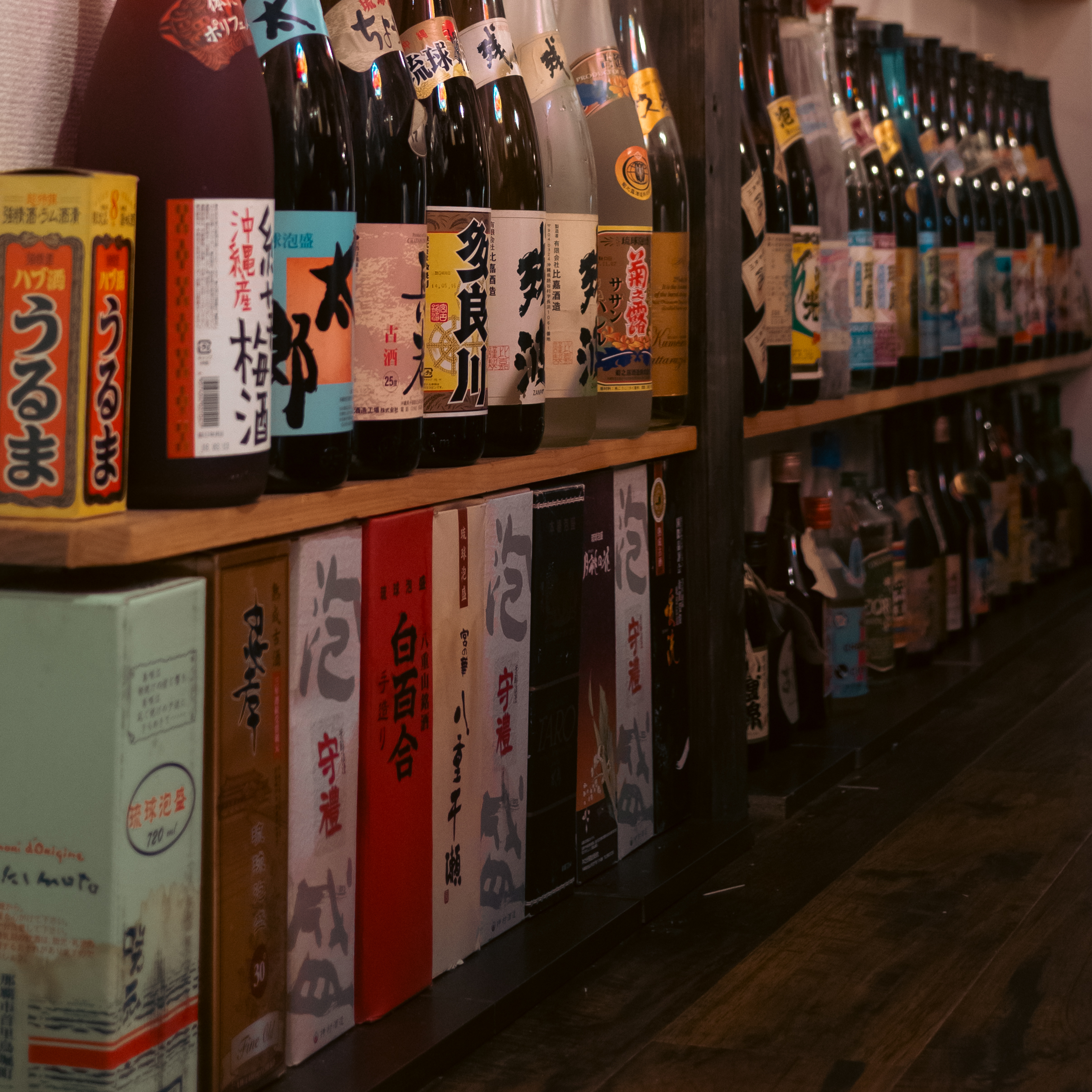
- Alcohol is everywhere: From vending machines (something I still don’t fully understand) to convenience stores, it’s incredibly accessible.
For sober travelers, this can feel overwhelming at first but it becomes much easier to navigate once you know what to expect.
How to Navigate Social Situations Without Drinking
Can You Go to a Bar and Not Drink?
Yes; absolutely.
Bars and izakayas in Japan typically don’t pressure you to drink alcohol. You can order soft drinks, tea, or non-alcoholic beer, focus on the food (which is often the main highlight anyway), and still fully participate in the experience.
In many cases, people are ordering a variety of drinks anyway, so not having alcohol doesn’t stand out as much as you might think.
How to Tell People You Don’t Drink
You don’t need a long explanation simple and polite works best:
- “I don’t drink”
- “I’m not drinking today”
- “I’m good with this, thank you”
If you want to go a step further, you can say:
- お酒は飲みません (Osake wa nomimasen) — I don’t drink alcohol
Most people will respect it immediately.
How to Turn Down a Drink (Without Feeling Rude)
This is where people tend to feel the most nervous, but it’s actually very straightforward.
- Be polite but firm: A simple “No, thank you” is enough
- Smile and redirect: Lift your non-alcoholic drink instead
- Add context if needed: “I’m pacing myself” or “I don’t drink much”
In Japan, politeness matters more than the reason. You won’t offend someone by declining, you’re just expected to do it respectfully.
Why People May Offer You Drinks Frequently
If you find yourself being offered drinks a lot in Japan, it’s not about pressure, it’s just part of the culture. In group settings, people tend to look out for each other, and offering a drink is an easy way to be polite and inclusive. It’s less about the alcohol itself and more about the gesture. You’ll notice people casually keeping an eye on each other’s glasses and offering refills without thinking twice. Once you politely decline or already have something in hand, most people will understand and move on.
Tips & Tricks for Traveling Sober in Japan
- Always have a drink in hand
Even if it’s water, tea, or soda it helps avoid repeated offers. - Know your non-alcoholic options
Japan has great ones:- Non-alcoholic beers (very common)
- Iced teas (green tea, oolong tea)
- Calpis (a popular soft drink)
- Coffee drinks are everywhere
- Convenience stores are your best friend
You’ll find endless non-alcoholic options at any time of day. - Don’t feel pressured to match the group
Social harmony in Japan doesn’t mean conformity, it means respect.
Things to Do in Japan That Don’t Revolve Around Drinking
Here’s the good news: most of Japan isn’t centered around alcohol at all—even if social media can make it seem that way.
Some of the best experiences include:
- Exploring neighborhoods and hidden streets (one of Katlyn’s favorite ways to spend time in Japan)
- Visiting temples and shrines
- Food experiences (ramen, sushi, street food no alcohol required)
- Shopping and arcades
- Scenic train rides and day trips
- Cafés, themed experiences, and seasonal events
If you’re looking for more ideas, I’ve already put together a full itinerary and guide on things to do in Japan. When we built this list, it was a priority to include experiences that everyone could enjoy regardless of whether they drink or not.
You Won’t Miss Out
It might feel like drinking is a big part of the experience in Japan, but it’s really just one small piece of a much bigger picture.
Whether you choose to drink or not, Japan offers incredible food, culture, history, and everyday moments that make the trip unforgettable.
Traveling sober doesn’t take anything away from your Japan experience, it simply gives you a different way to enjoy it.
また後で!
Katlyn